Computers - Data Science - Data Analytics
Explore our collection of data science books, including the Python Data Science Handbook and data analytics books for beginners. Perfect for anyone looking to dive into data and computer science!
-
Microsoft Power Bi for DummiesMake smarter business decisions with Microsoft PowerBI Microsoft PowerBI For Dummies gives you the foundation you need to use this powerful software platform to manage your data and gather insight for making better decisions. With PowerBI, you can visualize, model, and interpret large datasets,...
- $59.98 USD
$107.99 USD- $59.98 USD
- Unit price
- per
-
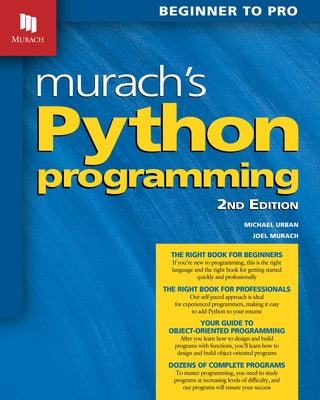
Murach's Python Programming (2nd Edition)If you want to learn how to program but don't know where to start, this is the right book and the right language for you. From the first page, our self-paced approach will help you build competence and confidence in your programming skills. And...
- $92.98 USD
$164.99 USD- $92.98 USD
- Unit price
- per
-
People Skills for Analytical ThinkersYour analytical skills are incredibly valuable. However, rational thinking alone isn't enough. Have you ever: Presented an idea, but then no one seemed to care? Explained your analysis, only to leave your colleague confused? Struggled to work with people who are less analytical and...
- $30.38 USD
- $30.38 USD
- Unit price
- per
-
Practical Sql, 2nd Edition: A Beginner's Guide to Storytelling with DataAnalyze data like a pro, even if you're a beginner. Practical SQL is an approachable and fast-paced guide to SQL (Structured Query Language), the standard programming language for defining, organizing, and exploring data in relational databases. Anthony DeBarros, a journalist and data analyst, focuses...
- $59.98 USD
$107.99 USD- $59.98 USD
- Unit price
- per
-
Product Operations: How successful companies build better products at scaleProduct Operations is the discipline of helping your Product Management function scale well. Surrounding the team with all of the essential inputs to set strategy, prioritize, and streamline ways of working.Many companies want to reap the benefits of economies of scale that comes with...
- $52.61 USD
$99.99 USD- $52.61 USD
- Unit price
- per
-
Python for Data Analysis: Data Wrangling with Pandas, Numpy, and JupyterGet the definitive handbook for manipulating, processing, cleaning, and crunching datasets in Python. Updated for Python 3.10 and pandas 1.4, the third edition of this hands-on guide is packed with practical case studies that show you how to solve a broad set of data...
- $104.33 USD
$181.99 USD- $104.33 USD
- Unit price
- per
-
Python for Excel Users: Know Excel? You Can Learn PythonWhen Excel isn't enough, it's time to learn Python. If you're comfortable in Excel, but you've hit a wall--slow files, broken formulas, hours spent on repetitive tasks--this book offers a way forward. It shows you how to take the work you already do in...
- $71.40 USD
$119.99 USD- $71.40 USD
- Unit price
- per
-
Python in Excel Step-By-StepAn intuitive guide for professionals wanting to prepare for the future of Microsoft Excel by building Python in Excel skills and unleashing the power of their data. A hands-on guide to the foundational Python in Excel skills you'll need to understand and use this...
- $80.00 USD
$143.99 USD- $80.00 USD
- Unit price
- per
-
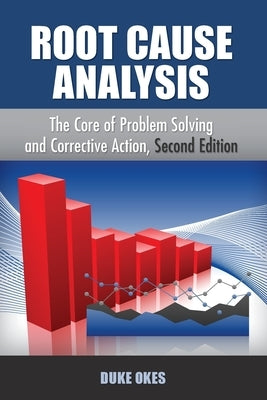
Root Cause Analysis: The Core of Problem SolvingThis bestseller can help anyone whose role is to try to find specific causes for failures.It provides detailed steps for solving problems, focusing more heavily on the analytical process involved in finding the actual causes of problems. It does this using figures, diagrams, and...
- $100.00 USD
$177.99 USD- $100.00 USD
- Unit price
- per
-
SAS for DummiesBecome data-savvy with the widely used data and AI software Data and analytics are essential for any business, giving insight into what's working, what can be improved, and what else needs to be done. SAS software helps you make sure you're doing data right,...
- $59.98 USD
$107.99 USD- $59.98 USD
- Unit price
- per
-
Spark: The Definitive Guide: Big Data Processing Made SimpleLearn how to use, deploy, and maintain Apache Spark with this comprehensive guide, written by the creators of the open-source cluster-computing framework. With an emphasis on improvements and new features in Spark 2.0, authors Bill Chambers and Matei Zaharia break down Spark topics into...
- $118.98 USD
- $118.98 USD
- Unit price
- per
-
SQL for Data Analysis: Advanced Techniques for Transforming Data Into InsightsWith the explosion of data, computing power, and cloud data warehouses, SQL has become an even more indispensable tool for the savvy analyst or data scientist. This practical book reveals new and hidden ways to improve your SQL skills, solve problems, and make the...
- $89.98 USD
$153.99 USD- $89.98 USD
- Unit price
- per
-
SQL QuickStart Guide: The Simplified Beginner's Guide to Managing, Analyzing, and Manipulating Data With SQL"THE BEST SQL BOOK FOR BEGINNERS - HANDS DOWN!"*INCLUDES FREE ACCESS TO A SAMPLE DATABASE, SQL BROWSER APP, COMPREHENSION QUIZES & SEVERAL OTHER DIGITAL RESOURCES!*Not sure how to prepare for the data-driven future?This book shows you EXACTLY what you need to know to successfully...
- $55.24 USD
$104.99 USD- $55.24 USD
- Unit price
- per
-
The Data Storyteller's Handbook: How to create business impact using data storytellingHave you ever been asked to "tell a story" with your data but weren't sure where to start? Many books touch on the subject of storytelling but few go into detail on how to actually do this.The Data Storyteller's Handbook is your practical, illustrated...
- $79.98 USD
- $79.98 USD
- Unit price
- per
-
Trustworthy Online Controlled Experiments: A Practical Guide to A/B TestingGetting numbers is easy; getting numbers you can trust is hard. This practical guide by experimentation leaders at Google, LinkedIn, and Microsoft will teach you how to accelerate innovation using trustworthy online controlled experiments, or A/B tests. Based on practical experiences at companies that...
- $83.07 USD
$142.99 USD- $83.07 USD
- Unit price
- per