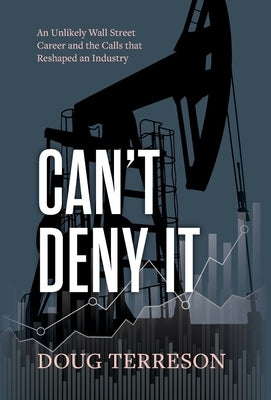
FAQ1: What are Commodities Investments Books?
Commodities Investments Books explore the world of investing in commodities, which are raw materials like gold, oil, agricultural products (like corn or coffee), and metals. These books cover:
Types of commodities: Different types of commodities and their unique characteristics.
Commodity markets: How commodity markets function, including futures and options markets.
Commodity investing strategies: Strategies for investing in commodities, such as futures contracts, commodity ETFs, and commodity-linked securities.
Factors influencing commodity prices: Economic, political, and environmental factors that impact commodity prices.
Risk management in commodity investing: Strategies for managing the risks associated with commodity investments, such as price volatility and geopolitical events.
FAQ2: What are "Energy Stocks"?
"Energy Stocks" refer to shares of companies involved in the energy sector. This includes:
Oil and gas companies: Companies involved in oil and gas exploration, production, refining, and distribution.
Renewable energy companies: Companies involved in renewable energy sources like solar, wind, and hydroelectric power.
Energy technology companies: Companies developing and producing energy-related technologies, such as energy storage and energy efficiency solutions.
FAQ3: What are "Commodity ETFs"?
"Commodity ETFs" are exchange-traded funds that track the performance of a particular commodity or a basket of commodities. They offer investors a convenient and cost-effective way to invest in commodities without directly owning the physical commodity.
Examples: Gold ETFs, oil ETFs, agricultural commodity ETFs.
FAQ4: What are "Energy Securities"?
"Energy Securities" encompass a broader range of investments in the energy sector, including:
Energy stocks: Shares of companies involved in the energy industry.
Energy bonds: Bonds issued by energy companies.
Energy ETFs: ETFs that track the performance of energy stocks or energy commodities.
Energy futures contracts: Contracts for the future delivery of energy commodities like oil and natural gas.
FAQ5: Why are these types of books important?
Diversification: Commodities can offer diversification benefits to investment portfolios, as their prices often move independently of stocks and bonds.
Inflation hedge: Some commodities, such as gold, are considered to be a hedge against inflation.
Exposure to global trends: Investing in commodities can provide exposure to global economic trends, such as economic growth and energy demand.