Business & Economics - Museum Administration and Museology
Check out a wide selection of museology and museum administration books. From management strategies to the principles of economics, find the best business books and more in our online bookstore!
-
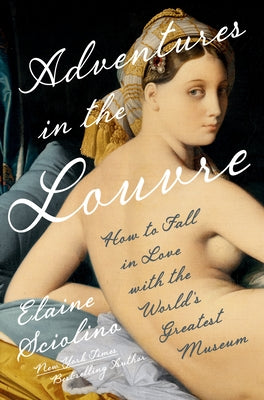
Adventures in the Louvre: How to Fall in Love with the World's Greatest MuseumThe Louvre is the most famous museum in the world, attracting millions of visitors every year with its masterpieces. In Adventures in the Louvre, Elaine Sciolino immerses herself in this magical space and helps us fall in love with what was once a forbidding...
- $47.34 USD
$89.99 USD- $47.34 USD
- Unit price
- per
-
Adventures in the Louvre: How to Fall in Love with the World's Greatest MuseumThe Louvre is the most famous museum in the world, attracting millions of visitors every year with its masterpieces. In Adventures in the Louvre, Elaine Sciolino immerses herself in this magical space and helps us fall in love with what was once a forbidding...
- $37.69 USD
$72.99 USD- $37.69 USD
- Unit price
- per
-
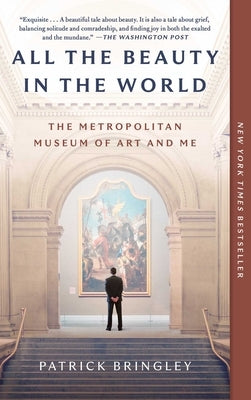
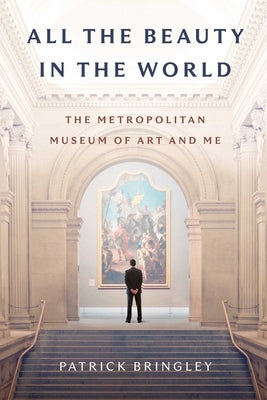
All the Beauty in the World: The Metropolitan Museum of Art and MeNew York Times bestseller Named one of the best books of the year by the New York Public Library, the Financial Times, the New York Post, Book Riot, and The Sunday Times (London). An "exquisite" (The Washington Post) "hauntingly beautiful" (Associated Press) portrait of...
- $37.97 USD
$67.99 USD- $37.97 USD
- Unit price
- per
-
All the Beauty in the World: The Metropolitan Museum of Art and MeNew York Times bestseller Named one of the best books of the year by the New York Public Library, the Financial Times, the New York Post, Book Riot, and The Sunday Times (London). An "exquisite" (The Washington Post) "hauntingly beautiful" (Associated Press) portrait of...
- $49.69 USD
$95.99 USD- $49.69 USD
- Unit price
- per
-
The Brutish Museums: The Benin Bronzes, Colonial Violence and Cultural RestitutionWinner of the 2021 Elliott P. Skinner Book Award "If you care about museums and the world, read this book"--New York Times "Urgent, lucid, and brilliantly enraged...a long-awaited treatise on justice."--New York Review of Books "A real game-changer."--The Economist "A bombshell."--Los Angeles Times The...
- $37.90 USD
$67.99 USD- $37.90 USD
- Unit price
- per
-
The Museum Experience RevisitedThe first book to take a "visitor's eye view" of the museum visit when it was first published in 1992, The Museum Experience revolutionized the way museum professionals understand their constituents. Falk and Dierking have updated this essential reference, incorporating advances in research, theory,...
- $104.38 USD
- $104.38 USD
- Unit price
- per
-
The Participatory MuseumVisitor participation is a hot topic in the contemporary world of museums, art galleries, science centers, libraries and cultural organizations. How can your institution do it and do it well? The Participatory Museum is a practical guide to working with community members and visitors...
- $49.34 USD
$93.99 USD- $49.34 USD
- Unit price
- per