Business & Economics - Personal Finance - Money Management
Explore personal finance books, financial expert guides, and money management books. Find economics books, best business reads, and principles of economics at our online bookstore. Shop now!
-
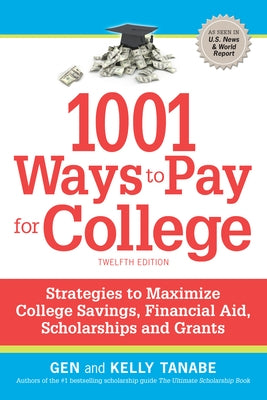
1001 Ways to Pay for College: Strategies to Maximize Financial Aid, Scholarships and GrantsCompletely revised with updated descriptions, contact information, websites, and available monies, this guide to financing higher education is the only resource students need to fund their pursuit of knowledge. Balancing detailed explanations with real-life examples and practical resources, the featured topics include finding and...
- $37.69 USD
$72.99 USD- $37.69 USD
- Unit price
- per
-
1001 Ways to Save Money: Quit Flushing Your Hard-Earned Money Down the ToiletTired of living paycheck to paycheck?Drowning in debt?Wondering how to save money without sacrificing the things that make life enjoyable?It is possible, and frugalist and personal finance teacher Annie Margarita Yang shows you how in this practical and matter-of-fact guide to money management. Offering...
- $50.50 USD
$95.99 USD- $50.50 USD
- Unit price
- per
-
7 Strategies for Wealth & Happiness: Power Ideas from America's Foremost Business PhilosopherUnlock the fountain of prosperity inside of you with easy-to-implement, comprehensive strategies for bettering yourself personally, professionally, and financially, from award-winning entrepreneur and motivational speaker Jim Rohn. "I truly believe Jim Rohn is an extraordinary human being whose philosophy can enhance the quality of...
- $29.11 USD
$55.99 USD- $29.11 USD
- Unit price
- per
-
A Happy Pocket Full of Money, Expanded Study Edition: Infinite Wealth and Abundance in the Here and NowIt's Not Just About the MoneyTrue wealth is not about buckets of cash. True wealth is not about designer clothes. It is not about a new Mercedes. It is not about living in a palatial estate. True wealth, asserts David Gikandi, is about discovering...
- $37.90 USD
$67.99 USD- $37.90 USD
- Unit price
- per
-
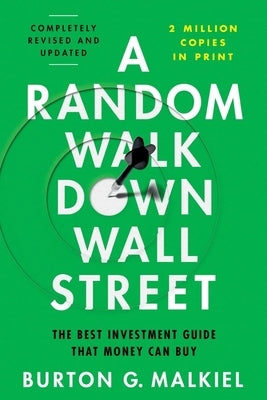
A Random Walk Down Wall Street: The Best Investment Guide That Money Can BuyIn a time of rampant misinformation about ways of growing your money, Burton G. Malkiel's gimmick-free investment guide is more necessary than ever. Whether you're considering your first 401k contribution or contemplating retirement, the fully updated, fiftieth anniversary edition of A Random Walk Down...
- $37.69 USD
$72.99 USD- $37.69 USD
- Unit price
- per
-
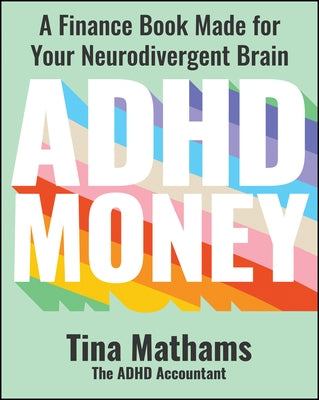
ADHD Money: A Finance Book Made for Your Neurodivergent BrainEliminate the overwhelm and stay on track with your money goals If you struggle with the time and energy needed to manage your money, you're not alone. So much financial advice is geared toward neurotypical brains. From checking your bank account to impulse spending...
- $37.63 USD
$71.99 USD- $37.63 USD
- Unit price
- per
-
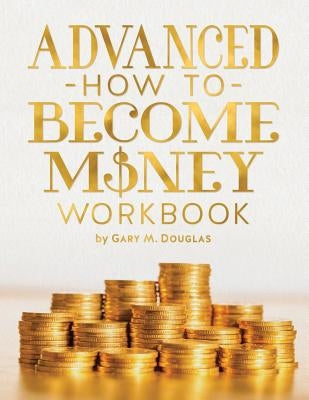
Advanced How To Become Money WorkbookWhat if money was a vehicle to change the world? What if you were willing to receive unlimited amounts of money? What is money? For some, money is cars; for some, money is houses; for some, money is security. But, is money any of...
- $50.00 USD
$87.99 USD- $50.00 USD
- Unit price
- per
-
Always Have Enough: How to Build Wealth When You Don't Come from Money--Featuring a 6-Week Kickstart PlanMaster your finances in six weeks with a money system designed to reflect your values and ambitions--no matter what your starting point. If you didn't grow up with money or advice on how to manage it, this guide will walk you through key steps...
- $34.80 USD
- $34.80 USD
- Unit price
- per
-
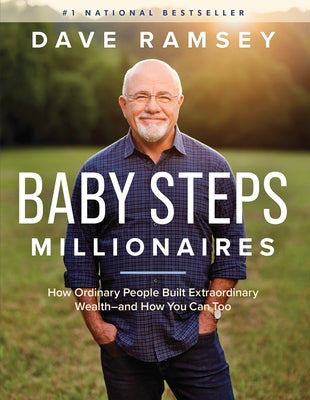
Baby Steps Millionaires: How Ordinary People Built Extraordinary Wealth--And How You Can Too#1 WALL STREET JOURNAL NATIONAL BESTSELLERYou Can Baby Step Your Way to Becoming a MillionaireMost people know Dave Ramsey as the guy who did stupid with a lot of zeros on the end. He made his first million in his twenties--the wrong way--and then...
- $50.50 USD
$95.99 USD- $50.50 USD
- Unit price
- per
-
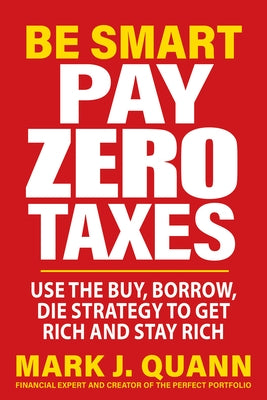
Be Smart Pay Zero Taxes: Use the Buy, Borrow, Die Strategy to Get Rich and Stay RichBUILD WEALTH. KEEP MORE. LIVE TAX-FREE.Discover the strategies the ultra-wealthy use to grow their fortunes and legally avoid taxes -- made simple for EVERYONE -- with the ultimate guide to reducing your tax bill to zero. Learn the secrets the rich use to get...
- $42.83 USD
$81.99 USD- $42.83 USD
- Unit price
- per
-
Beneficiary Guide for Everyone: How to Receive What's Yours from Estates, Trusts, and MoreLearn how to protect your rights, avoid delay or fraud, and ensure what is yours ends up in the right place. TThe primary reason people take the time to write a will or create a trust is not for their own sake. It is...
- $39.97 USD
$71.99 USD- $39.97 USD
- Unit price
- per
-
Beyond Profit: Purpose-Driven Leadership for a Wellbeing EconomyBeyond Profit brings together the latest academic research on Purpose-Driven Leadership and Organizations to show how leaders can create a Wellbeing Economy that is aligned with a sustainable future where we innovate and protect collective long-term wellbeing through governance that works. It is a...
- $47.34 USD
$89.99 USD- $47.34 USD
- Unit price
- per
-
Beyond the Grave, Revised and Updated Edition: The Right Way and the Wrong Way of Leaving Money to Your Children (and Others)This expert, one-of-a-kind handbook shows you how to ensure that your inheritance instructions will be carried out the way you want them to be; protect your children's inheritance from creditors, ex-spouses, addictions, tax troubles, mismanagement, squandering, and other risks of loss; prevent family conflict...
- $27.58 USD
- $27.58 USD
- Unit price
- per
-
Breaking Free from Broke: The Ultimate Guide to More Money and Less StressPUBLISHERS WEEKLY #1 NATIONAL BESTSELLER America has become the land of the free and the home of the broke. Household debt is at an all-time high, and everyday people--just like you--are feeling more cynical and hopeless about their financial futures. It's time to stop...
- $46.26 USD
$88.99 USD- $46.26 USD
- Unit price
- per
-
Breaking Money Silence: How to Shatter Money Taboos, Talk More Openly about Finances and Live a Richer LifeOver six in 10 Americans don't talk about money and many people would rather discuss politics and death than their finances. But what price do you pay for staying quiet? Kathleen Burns Kingsbury, a wealth psychology specialist, coach and consultant with over twenty-five years...
- $39.90 USD
$71.99 USD- $39.90 USD
- Unit price
- per
-
Broke Millennial Takes On Investing: A Beginner's Guide to Leveling Up Your MoneyA guide to investing basics by the author of Broke Millennial, for anyone who feels like they aren't ready (or rich enough) to get into the market Millennials want to learn how to start investing. The problem is that most have no idea where...
- $30.00 USD
$53.99 USD- $30.00 USD
- Unit price
- per
-
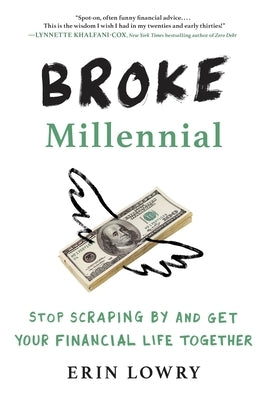
Broke Millennial: Stop Scraping by and Get Your Financial Life TogetherWASHINGTON POST "COLOR OF MONEY" BOOK CLUB PICK Stop Living Paycheck to Paycheck and Get Your Financial Life Together (#GYFLT)! If you're a cash-strapped 20- or 30-something, it's easy to get freaked out by finances. But you're not doomed to spend your life drowning...
- $22.80 USD
$64.99 USD- $22.80 USD
- Unit price
- per
-
Budgeting 101: From Getting Out of Debt and Tracking Expenses to Setting Financial Goals and Building Your Savings, Your Essential Guide to Budgeting"Cagan makes the case that a budget isn't a buzz killer. It's financial salvation." --The Washington Post Don't break the bank--learn to create and stick to a budget with this comprehensive, easy-to-understand guide to saving money sensibly in this edition of the popular 101...
- $29.11 USD
$55.99 USD- $29.11 USD
- Unit price
- per
-
Budgeting for DummiesBuild a budget that puts you on solid financial footing Ask any financially successful person how they achieved their goals, and chances are they'll tell you it all started with a budget. And that's exactly where you should start. Budgeting For Dummies shows you...
- $39.97 USD
$71.99 USD- $39.97 USD
- Unit price
- per
-
But First, Save 10: The One Simple Money Move That Will Change Your LifeMAJOR FINANCIAL MISTAKES NO LONGER HAVE TO BE A RITE OF PASSAGE FOR ADULTHOOD.Graduates experience a common, soaring feeling: Freedom. Yet, we are funneled into an economic system designed to rob our freedom, little by little, leaving many living paycheck to paycheck, transforming the...
- $37.90 USD
$67.99 USD- $37.90 USD
- Unit price
- per