Business & Economics - Structural Adjustment
Discover essential structural adjustment books and dive into economics books, best business books, and principles of economics. Shop the best books to read and best-selling books at our online bookstore!
-
A Sense of UrgencyMost organizational change initiatives fail spectacularly (at worst) or deliver lukewarm results (at best). In his international bestseller Leading Change, John Kotter revealed why change is so hard, and provided an actionable, eight-step process for implementing successful transformations. The book became the change bible...
- $47.37 USD
$89.99 USD- $47.37 USD
- Unit price
- per
-
Corporate Turnaround: How Managers Turn Losers Into Winners!Author: Donald B. BibeaultPublisher: Beard BooksPublished: 01/19/1998Pages: 428Binding Type: PaperbackWeight: 1.38lbsSize: 9.08h x 6.16w x 1.01dISBN: 9781893122024This title is not returnable
- $70.74 USD
$118.99 USD- $70.74 USD
- Unit price
- per
-
Culture by Design: How to engineer culture for lasting competitive advantageThis updated and expanded Third Edition presents the author's most current thinking, with new chapters and refined guidance based on years of real-world application.No single factor-not sales, marketing, finance, strategy, or operations-has more influence over the ultimate success of an organization than its culture....
- $37.42 USD
- $37.42 USD
- Unit price
- per
-
Designed for Digital: How to Architect Your Business for Sustained SuccessOne of Forbes's Top Ten Technology Books of the Year How to redesign 'big, old' companies for digital transformation and success--with examples from 300+ business leaders and 30+ organizations, including Amazon Uber, LEGO, and Toyota. Most established companies have deployed such digital technologies as...
- $37.63 USD
$71.99 USD- $37.63 USD
- Unit price
- per
-
Digital Transformation Playbook: Rethink Your Business for the Digital AgeRethink your business for the digital age. Every business begun before the Internet now faces the same challenge: How to transform to compete in a digital economy? Globally recognized digital expert David L. Rogers argues that digital transformation is not about updating your technology...
- $47.29 USD
$89.99 USD- $47.29 USD
- Unit price
- per
-
Finish Big: How Great Entrepreneurs Exit Their Companies on Top"No two exit experiences are exactly alike. Some people wind up happy with the process and satisfied with the way it turned out while others look back on it as a nightmare. The question I hope to answer in this book is why. What...
- $59.50 USD
$106.99 USD- $59.50 USD
- Unit price
- per
-
From Panic to Profit: Uncover Value, Boost Revenue, and Grow Your Business with the 80/20 PrincipleStructured corporate strategy to launch ambitious and consistent growth in just 100 days Armed with the hands-on guidance in From Panic to Profit: Uncover Value, Boost Revenue, and Grow Your Business with the 80/20 Principle, companies of any size and in any industry can...
- $48.00 USD
$91.99 USD- $48.00 USD
- Unit price
- per
-
Getting to Nimble: How to Transform Your Company Into a Digital LeaderWith increased pressure from digital natives, now is the time for established companies to address outdated and antiquated practices in order to respond quickly to the ever-increasing speed of market changes. The pace of change in business today is such that it is becoming...
- $73.08 USD
- $73.08 USD
- Unit price
- per
-
Goliath's Revenge: How Established Companies Turn the Tables on Digital DisruptorsHarness your company's incumbent advantages to win the digital disruption game Goliath's Revenge is the practical guide for how executives and aspiring leaders of established companies can run the Silicon Valley playbook for themselves and capitalize on digital disruption. Technologies like artificial intelligence, robotics,...
- $49.71 USD
$95.99 USD- $49.71 USD
- Unit price
- per
-
Hbr's 10 Must Reads on Change Management, Updated and Expanded (Featuring Leading Change by John P. Kotter)Change is constant--so become great at it.If you read nothing else on change management, read this book. We've chosen a new selection of current and classic Harvard Business Review articles that will help you lead initiatives effectively, avoid common mistakes, and capture the full value of...
- $46.20 USD
$88.99 USD- $46.20 USD
- Unit price
- per
-
Irresistible Change: A Blueprint for Earning Buy-In and Breakout SuccessA blueprint for change leaders to learn from one of the largest transformations in corporate history Irresistible Change: A Blueprint for Earning Buy-In and Breakout Success details one of the largest and most formidable transformations in corporate history: to shift the foundations of work...
- $48.00 USD
$91.99 USD- $48.00 USD
- Unit price
- per
-
LLC: A Complete Guide To Limited Liability Companies And Setting Up Your Own LLCLLCThis book aims to serve as a guide to LLCs, and will take you step by step through the process of establishing one, as well as educating you on the considerations you should take before deciding upon an LLC structure. Inside, you will learn...
- $42.83 USD
$81.99 USD- $42.83 USD
- Unit price
- per
-
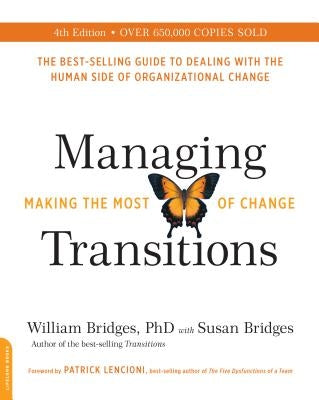
Managing Transitions (25th Anniversary Edition): Making the Most of ChangeThe business world is constantly transforming. When restructures, mergers, bankruptcies, and layoffs hit the workplace, employees and managers naturally find the resulting situational shifts to be challenging. But the psychological transitions that accompany them are even more stressful. Organizational transitions affect people; it is...
- $37.97 USD
$67.99 USD- $37.97 USD
- Unit price
- per
-
Only the Paranoid Survive: How to Exploit the Crisis Points That Challenge Every CompanyAndy Grove, founder and former CEO of Intel shares his strategy for success as he takes the reader deep inside the workings of a major company in Only the Paranoid Survive. Under Andy Grove's leadership, Intel became the world's largest chip maker and one...
- $30.00 USD
$51.99 USD- $30.00 USD
- Unit price
- per
-
Our Iceberg Is Melting: Changing and Succeeding Under Any ConditionsThe revised and updated tenth anniversary edition of the classic, beloved business fable that has changed millions of lives in organizations around the world. Our Iceberg Is Melting is a simple story about doing well under the stress and uncertainty of rapid change. Based...
- $49.71 USD
$95.99 USD- $49.71 USD
- Unit price
- per
-
Reengineering the Corporation: A Manifesto for Business RevolutionThe most successful business book of the last decade, Reengineering the Corporation is the pioneering work on the most important topic in business today: achieving dramatic performance improvements. This book leads readers through the radical redesign of a company's processes, organization, and culture to...
- $39.97 USD
$71.99 USD- $39.97 USD
- Unit price
- per
-
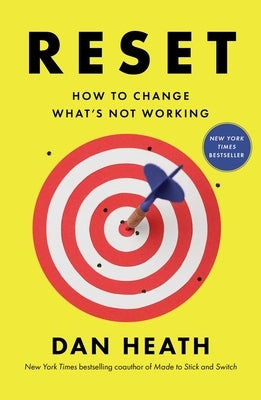
ResetNEW YORK TIMES BESTSELLER - A revolutionary guide to fixing what's not working--in systems and processes, organizations and companies, and even in our daily lives--by identifying leverage points and concentrating resources to achieve our goals.Changing how we work can feel overwhelming. Like trying to...
- $24.00 USD
- $24.00 USD
- Unit price
- per
-
Reset: How to Change What's Not WorkingNEW YORK TIMES BESTSELLER - A revolutionary guide to fixing what's not working--in systems and processes, organizations and companies, and even in our daily lives--by identifying leverage points and concentrating resources to achieve our goals. Changing how we work can feel overwhelming. Like trying...
- $50.53 USD
$95.99 USD- $50.53 USD
- Unit price
- per
-
Sacred Cows Make the Best Burgers: Developing Change-Driving People and OrganizationsSacred cows--outdated and costly business practices such as the reports that are never read or a slow-down of innovative ideas--exist in every company. Inspired by insights gained from more than 450 programs conducted with all types of organizations, the authors of SACRED COWS MAKE...
- $28.14 USD
$71.99 USD- $28.14 USD
- Unit price
- per
-
The Alchemy of Growth: Practical Insights for Building the Enduring EnterpriseGrowth unleashes benefits beyond the economic. It revitalizes organizations and invigorates the people in them, creating energy, a sense of purpose, and the glow of being on a winning team. Like the alchemy of old, it seeks to transform the everyday into the exalted...
- $37.90 USD
$67.99 USD- $37.90 USD
- Unit price
- per