Computers - Computer Architecture
Browse our comprehensive collection of computer architecture books, including textbooks on computer organization and architecture. Perfect for aspiring computer scientists and professionals!
-
AI Systems Performance Engineering: Optimizing Model Training and Inference Workloads with Gpus, Cuda, and PytorchElevate your AI system performance capabilities with this definitive guide to maximizing efficiency across every layer of your AI infrastructure. In today's era of ever-growing generative models, AI Systems Performance Engineering provides engineers, researchers, and developers with a hands-on set of actionable optimization strategies....
- $119.98 USD
$215.99 USD- $119.98 USD
- Unit price
- per
-
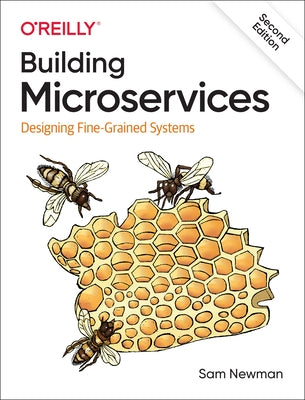
Building Microservices: Designing Fine-Grained SystemsAs organizations shift from monolithic applications to smaller, self-contained microservices, distributed systems have become more fine-grained. But developing these new systems brings its own host of problems. This expanded second edition takes a holistic view of topics that you need to consider when building,...
- $99.98 USD
$177.99 USD- $99.98 USD
- Unit price
- per
-
Clean Architecture: A Craftsman's Guide to Software Structure and DesignBuilding upon the success of best-sellers The Clean Coder and Clean Code, legendary software craftsman Robert C. "Uncle Bob" Martin shows how to bring greater professionalism and discipline to application architecture and design. As with his other books, Martin's Clean Architecture doesn't merely present...
- $85.20 USD
$145.99 USD- $85.20 USD
- Unit price
- per
-
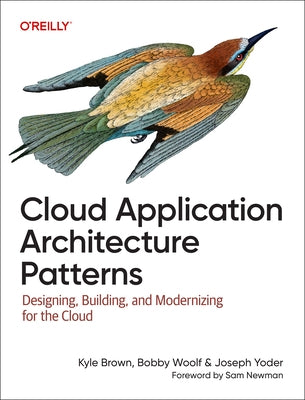
Cloud Application Architecture Patterns: Designing, Building, and Modernizing for the CloudThere are more applications running in the cloud than there are ones that run well there. If you're considering taking advantage of cloud technology for your company's projects, this practical guide is an ideal way to understand the best practices that will help you...
- $79.98 USD
$133.99 USD- $79.98 USD
- Unit price
- per
-
Computer Architecture: A Quantitative ApproachComputer Architecture: A Quantitative Approach, has been considered essential reading by instructors, students and practitioners of computer design for nearly 30 years. The seventh edition of this classic textbook from John Hennessy and David Patterson, winners of the 2017 ACM A.M. Turing Award recognizing...
- $190.00 USD
$365.99 USD- $190.00 USD
- Unit price
- per
-
Fundamentals of Data Engineering: Plan and Build Robust Data SystemsData engineering has grown rapidly in the past decade, leaving many software engineers, data scientists, and analysts looking for a comprehensive view of this practice. With this practical book, you'll learn how to plan and build systems to serve the needs of your organization...
- $104.33 USD
$181.99 USD- $104.33 USD
- Unit price
- per
-
Fundamentals of Devops and Software Delivery: A Hands-On Guide to Deploying and Managing Software in ProductionThis book is a guide to DevOps and software delivery: that is, a guide to the numerous tools and techniques that are required to take that application code and run it and maintain it in production, where it can generate value for your users...
- $91.28 USD
$159.99 USD- $91.28 USD
- Unit price
- per
-
Head First Software Architecture: A Learner's Guide to Architectural ThinkingWhat will you learn from this book? If you're a software developer looking for a quick on-ramp to software architecture, this handy guide is a great place to start. From the authors of Fundamentals of Software Architecture, Head First Software Architecture teaches you how...
- $99.98 USD
$177.99 USD- $99.98 USD
- Unit price
- per
-
Platform Engineering: A Guide for Technical, Product, and People LeadersUntil recently, infrastructure was the backbone of organizations operating software they developed in-house. But now that cloud vendors run the computers, companies can finally bring the benefits of agile custom-centricity to their own developers. Adding product management to infrastructure organizations is now all the...
- $81.80 USD
$139.99 USD- $81.80 USD
- Unit price
- per
-
Programming Massively Parallel Processors: A Hands-On ApproachProgramming Massively Parallel Processors: A Hands-on Approach, Fifth Edition shows both students and professionals alike the basic concepts of parallel programming and GPU architecture. Concise, intuitive, and practical, it is based on years of road-testing in the authors' own parallel computing courses. Various techniques...
- $170.90 USD
- $170.90 USD
- Unit price
- per
-
System Design on AWS: Building and Scaling Enterprise SolutionsEnterprises building complex and large-scale applications in the cloud face multiple challenges. From figuring out the right tools to estimating the right provisioning, nearly every solution comes with a complicated set of choices and trade-offs. AWS provides a one-stop shop for building and scaling...
- $91.28 USD
$159.99 USD- $91.28 USD
- Unit price
- per
-
The C4 Model: Visualizing Software ArchitectureGood architecture is more than just good code--it's clear communication. The C4 Model: Visualizing Software Architecture is a practical guide to creating diagrams that help teams understand, build, and talk about software systems more effectively. Developed by Simon Brown and used by thousands of...
- $71.98 USD
- $71.98 USD
- Unit price
- per
-
The Effective Software Engineer: How ICS at Every Level Can Leverage Ai, Prioritize High-Value Work, and Lead Beyond Their RoleThe software engineering landscape is constantly evolving, and the demands on engineers intensify with each technological and methodological shift. In such an environment, being a good coder isn't enough--true effectiveness goes beyond technical skills. This book is designed as a guide for individual contributors...
- $47.98 USD
- $47.98 USD
- Unit price
- per
-
The Practice of Enterprise Architecture: A Modern Approach to Business and IT AlignmentEnterprise architecture (EA) is a set of descriptions relevant to both business and IT intended to bridge the communication gap between business and IT stakeholders in organizations, facilitate information systems planning and improve business and IT alignment. Due to complex historical reasons, the notion...
- $103.84 USD
- $103.84 USD
- Unit price
- per
-
The Software Architect Elevator: Redefining the Architect's Role in the Digital EnterpriseAs the digital economy changes the rules of the game for enterprises, the role of software and IT architects is also transforming. Rather than focus on technical decisions alone, architects and senior technologists need to combine organizational and technical knowledge to effect change in...
- $86.07 USD
$149.99 USD- $86.07 USD
- Unit price
- per
-
Tidy First?: A Personal Exercise in Empirical Software DesignMessy code is a nuisance. "Tidying" code, to make it more readable, requires breaking it up into manageable sections. In this practical guide, author Kent Beck, creator of Extreme Programming and pioneer of software patterns, suggests when and where you might apply tidyings to...
- $59.98 USD
$107.99 USD- $59.98 USD
- Unit price
- per