Computers - Languages - C#
Dive into computer languages books, including C# books and functional programming C#. Shop computer books, computer science books, networking, and vision books at our online bookstore.
-
A Tour of C++In A Tour of C++, Third Edition, Bjarne Stroustrup provides an overview of ISO C++, C++20, that aims to give experienced programmers a clear understanding of what constitutes modern C++. Featuring carefully crafted examples and practical help in getting started, this revised and updated...
- $71.40 USD
$119.99 USD- $71.40 USD
- Unit price
- per
-
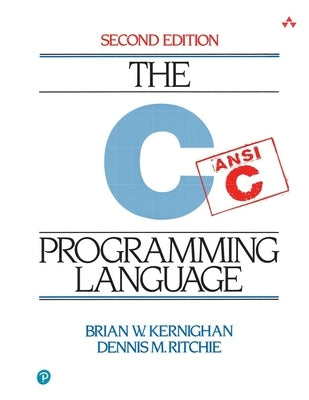
C Programming LanguageThe definitive reference guide to C programming from K&R for writing good code that works and is easy to modify Learn how to program in C from the developers of C, Brian Kernighan and Dennis Ritchie. Intended for those with at least some experience...
- $109.35 USD
$193.99 USD- $109.35 USD
- Unit price
- per
-
C# 12 in a Nutshell: The Definitive ReferenceWhen you have questions about C# 12 or .NET 8, this best-selling guide has the answers you need. C# is a language of unusual flexibility and breadth, and with its continual growth, there's always so much more to learn. In the tradition of O'Reilly's...
- $83.98 USD
- $83.98 USD
- Unit price
- per
-
C# 14 and .NET 10 - Modern Cross-Platform Development Fundamentals - Tenth Edition: Build modern websites and services with ASP.NET Core, Blazor, andAn easy-to-follow guide for beginners and intermediate programmers to master modern C# and .NET development through hands-on examples using Visual Studio 2026 and VS Code.Free with your book: DRM-free PDF version + access to Packt's next-gen ReaderKey Features: - Explore the newest additions to...
- $95.63 USD
$166.99 USD- $95.63 USD
- Unit price
- per
-
C# Programming in Easy Steps: Master C# Fundamentals!Unlock the power of C# and start creating professional-grade applications -- the easy way! C# Programming in easy steps, 4th edition is your beginner-friendly guide to one of the world's most popular programming languages. In easy steps, and with crystal-clear, syntax-highlighted examples (free to...
- $42.83 USD
$81.99 USD- $42.83 USD
- Unit price
- per
-
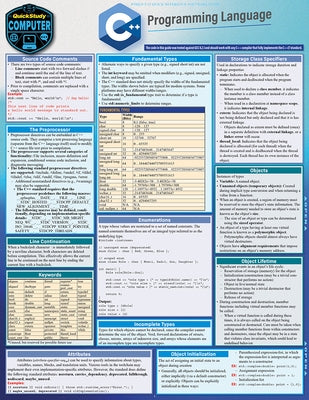
C# Programming: A Quickstudy Laminated Reference GuideHandy six page laminated reference guide and concise desktop reference for C#, created for developers and programmers of all skill levels - beginner to expert. Author Hugh Gleaving used his in-depth knowledge of C# and years of combined experience as a senior software engineer,...
- $19.08 USD
$30.99 USD- $19.08 USD
- Unit price
- per
-
C++ Essentials for DummiesThe quick and crystal-clear guide to C++ programming C++ Essentials For Dummies is your useful reference to the key concepts of C++, the popular general-purpose language utilized everywhere from building games to writing parts of operating systems. With minimal review and background material--and absolutely...
- $29.11 USD
$55.99 USD- $29.11 USD
- Unit price
- per
-
C++ for DummiesAn accessible walkthrough of one of the world's most popular programming languages: C++ C++ For Dummies is your from-scratch guide that explains the essentials of what you need to know to understand the language and build your very first program in C++. Bradley Jones,...
- $44.38 USD
- $44.38 USD
- Unit price
- per
-
C++ PrimerBestselling Programming Tutorial and Reference Completely Rewritten for the New C++11 Standard Fully updated and recast for the newly released C++11 standard, this authoritative and comprehensive introduction to C++ will help you to learn the language fast, and to use it in modern, highly...
- $109.35 USD
$193.99 USD- $109.35 USD
- Unit price
- per
-
C++ Programming in Easy StepsC++ Programming in easy steps, 7th edition shows you how to program in the powerful C++ native system language. Now, in its seventh edition, this guide gives complete examples that illustrate each aspect with colorized source code.C++ Programming in easy steps, 7th edition begins...
- $42.83 USD
$81.99 USD- $42.83 USD
- Unit price
- per
-
C++ Programming Language: A Quickstudy Laminated ReferenceFocusing on the current "best practice" of the C++ standard, this handy 6 page laminated reference guide is a must-have desktop tool designed to give you the need-to-know answers at your fingertips. Author Scott Smith with 30 plus years of experience using C++ and...
- $19.08 USD
$30.99 USD- $19.08 USD
- Unit price
- per
-
C++ Standard Library: A Quickstudy Laminated Reference GuideAn extremely handy programmer's standard library reference that is as durable as it is portable. This 6 page laminated guide includes a collection of function and class declarations defined as part of the C++ Standard. The declarations are contained in header files that can...
- $9.54 USD
- $9.54 USD
- Unit price
- per
-
Effective C, 2nd Edition: An Introduction to Professional C ProgrammingEffective C, 2nd edition, is an introduction to essential C language programming that will soon have you writing programs, solving problems, and building working systems. The latest release of the C programming language, C23, enhances the safety, security, and usability of the language. This...
- $81.80 USD
$139.99 USD- $81.80 USD
- Unit price
- per
-
Embedded Systems with ARM Cortex-M Microcontrollers in Assembly Language and C: Fourth EditionThe book introduces basic programming of ARM Cortex-M cores in assembly and C at the register level, and the fundamentals of embedded system design. It presents basic concepts such as data representations (integer, fixed-point, floating-point), assembly instructions, stack, and implementing basic controls and functions...
- $115.83 USD
$205.99 USD- $115.83 USD
- Unit price
- per
-
Introducing C++: The Easy Way to Start Learning Modern C++You know how to code, but you're ready to level up. You've heard about the power and performance of C++, a language vital to fields like AI, game development, and high-performance computing. But where do you even start? Existing resources are outdated or overly...
- $81.80 USD
$139.99 USD- $81.80 USD
- Unit price
- per
-
Make: Electronics: Learning by Discovery: A Hands-On Primer for the New Electronics EnthusiastMake: Electronics explores the properties and applications of discrete components that are the fundamental building blocks of circuit design. Understanding resistors, capacitors, transistors, inductors, diodes, and integrated circuit chips is essential even when using microcontrollers. Make: Electronics teaches the fundamentals and also provides advice...
- $55.24 USD
$104.99 USD- $55.24 USD
- Unit price
- per
-
Modern C, Third Edition: Covers the C23 StandardDiscover the full power of modern C programming, with an inside look at the new C23 standard. For programs that need to be small, fast, and reliable, C is the gold standard. Whether you're writing embedded code, low-level system routines, or high-performance applications, C...
- $99.98 USD
$177.99 USD- $99.98 USD
- Unit price
- per
-
Programming: Principles and Practice Using C++An Introduction to Programming by the Inventor of C++ Programming: Principles and Practice Using C++, Third Edition, will help anyone who is willing to work hard learn the fundamental principles of programming and develop the practical skills needed for programming in the real world....
- $124.98 USD
$221.99 USD- $124.98 USD
- Unit price
- per
-
Test-Driven Development for Embedded CAnother day without Test-Driven Development means more time wasted chasing bugs and watching your code deteriorate. You thought TDD was for someone else, but it's not! It's for you, the embedded C programmer. TDD helps you prevent defects and build software with a long...
- $70.74 USD
$118.99 USD- $70.74 USD
- Unit price
- per
-
The C++ Programming LanguageThe new C++11 standard allows programmers to express ideas more clearly, simply, and directly, and to write faster, more efficient code. Bjarne Stroustrup, the designer and original implementer of C++, has reorganized, extended, and completely rewritten his definitive reference and tutorial for programmers who...
- $134.98 USD
- $134.98 USD
- Unit price
- per