Computers - Management Information Systems
Discover top Management Information Systems books and MIS textbooks at our online bookstore. Shop computer books, networking books, and best-selling books to boost your knowledge!
-
Cisa Certified Information Systems Auditor Study Guide and Practice Tests Bundle: Covers 2024 Exam ObjectivesTwo bestselling CISA guides in one serious study set This value-packed packed set for the serious CISA certification candidate combines the all-new CISA Certified Information Systems Auditor Study Guide: Covers 2024-2029 Exam Objectives with a new collection of Practice Exams and online practice test...
- $142.50 USD
- $142.50 USD
- Unit price
- per
-
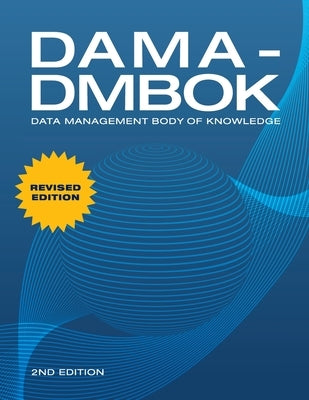
Dama-Dmbok: Data Management Body of Knowledge: 2nd Edition, RevisedThe Data Management Body of Knowledge (DAMA-DMBOK2) presents a comprehensive view of the challenges, complexities, and value of effective data management. Today's organizations recognize that managing data is central to their success. They recognize data has value and they want to leverage that value....
- $119.94 USD
$215.99 USD- $119.94 USD
- Unit price
- per
-
Dama-Dmbok: Guía Del Conocimiento Para La Gestión De DatosLa Guía del Conocimiento para la Gestión de Datos (DAMA-DMBOK2) presenta una visión exhaustiva de los desafíos, complejidades y valor de la gestión eficaz de los datos.Las organizaciones de hoy en día reconocen que la gestión de los datos es fundamental para su éxito....
- $95.94 USD
- $95.94 USD
- Unit price
- per
-
Database Internals: A Deep Dive Into How Distributed Data Systems WorkWhen it comes to choosing, using, and maintaining a database, understanding its internals is essential. But with so many distributed databases and tools available today, it's often difficult to understand what each one offers and how they differ. With this practical guide, Alex Petrov...
- $89.98 USD
$153.99 USD- $89.98 USD
- Unit price
- per
-
Modern ERP: Select, Implement, and Use Today's Advanced Business SystemsModern ERP provides a comprehensive overview of enterprise resource planning (ERP) systems and related systems and technologies and can be used in an undergraduate or graduate information systems or supply chain course. The book is also useful and practical for professionals interested in learning...
- $166.59 USD
$314.99 USD- $166.59 USD
- Unit price
- per
-
Navigating the Labyrinth: An Executive Guide to Data ManagementIf you are leading an organization or if you need to communicate with leaders about data management, Navigating the Labyrinth is your guide. Organizations that want to get value from their data need to manage that data well. But to most executives, data management...
- $47.29 USD
$89.99 USD- $47.29 USD
- Unit price
- per
-
Necessary But Not Sufficient: A Theory of Constraints Business NovelAuthor: Eliyahu M. Goldratt,Eli Shragenheim,Eliyagy M Goldratt Eli SchragenheimPublisher: North River PressPublished: 11/03/2005Pages: 231Binding Type: PaperbackWeight: 0.90lbsSize: 8.90h x 6.00w x 0.70dISBN: 9780884271703
- $39.90 USD
$71.99 USD- $39.90 USD
- Unit price
- per
-
The Practice of Enterprise Architecture: A Modern Approach to Business and IT AlignmentEnterprise architecture (EA) is a set of descriptions relevant to both business and IT intended to bridge the communication gap between business and IT stakeholders in organizations, facilitate information systems planning and improve business and IT alignment. Due to complex historical reasons, the notion...
- $103.84 USD
- $103.84 USD
- Unit price
- per