Computers - Virtual & Augmented Reality
Browse the latest virtual & augmented reality books, covering essential textbooks for tech enthusiasts. Find top computer books, programming guides, and vision books at our online bookstore.
-
Challenges for Games Designers: Non-Digital Exercises for Video Game DesignersWelcome to a book written to challenge you, improve your brainstorming abilities, and sharpen your game design skills! Challenges for Game Designers: Non-Digital Exercises for Video Game Designers is filled with enjoyable, interesting, and challenging exercises to help you become a better video game...
- $49.32 USD
$93.99 USD- $49.32 USD
- Unit price
- per
-
Game Programming PatternsThe biggest challenge facing many game programmers is completing their game. Most game projects fizzle out, overwhelmed by the complexity of their own code. Game Programming Patterns tackles that exact problem. Based on years of experience in shipped AAA titles, this book collects proven...
- $71.33 USD
$119.99 USD- $71.33 USD
- Unit price
- per
-
Half-Real: Video Games between Real Rules and Fictional WorldsAn in-depth analysis of game development and rules and fiction in video games--with concrete examples, including The Legend of Zelda, Grand Theft Auto, and more A video game is half-real: we play by real rules while imagining a fictional world. We win or lose...
- $79.55 USD
$136.99 USD- $79.55 USD
- Unit price
- per
-
Hamlet on the Holodeck, Updated Edition: The Future of Narrative in CyberspaceAn updated edition of the classic book on digital storytelling, with a new introduction and expansive chapter commentaries.I want to say to all the hacker-bards from every field--gamers, researchers, journalists, artists, programmers, scriptwriters, creators of authoring systems... please know that I wrote this book...
- $71.43 USD
$119.99 USD- $71.43 USD
- Unit price
- per
-
Optic Gaming: The Making of Esports ChampionsOpTic Gaming, the four-time Call of Duty Major League Gaming Champions and one of the top eSports teams in the world, now takes fans behind the controller--into the game and the minds of the greatest gamers in the world--in this fascinating and unique memoir...
- $38.37 USD
$73.99 USD- $38.37 USD
- Unit price
- per
-
The Simulation Hypothesis: An Mit Computer Scientist Shows Why Ai, Quantum Physics, and Eastern Mystics All Agree We Are in a Video GameThe definitive exploration of one of the most daring and consequential theories of our time, completely revised and updated to reflect the rapid advances in artificial intelligence and virtual reality Are we living in a simulation? MIT computer scientist Rizwan Virk draws from research...
- $50.53 USD
$95.99 USD- $50.53 USD
- Unit price
- per
-
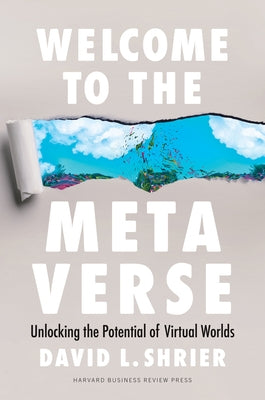
Welcome to the Metaverse: Unlocking the Potential of Virtual WorldsA clear-eyed guide to the metaverse and how this powerful technology--along with advances in spatial computing, VR, and AR--will impact our economy, our lives, and our world.The metaverse. That term elicits a wide range of ideas and opinions. For many, it represents the next...
- $50.53 USD
$95.99 USD- $50.53 USD
- Unit price
- per