Cooking - Courses & Dishes - Salads
Uncover the best food course cook book, courses cook book, recipe book of salads, and healthy salad cookbook. Shop top cooking books, Mediterranean diet cookbooks, and vegan recipe books at our online bookstore!
-
200 Recetas Para Diabéticos En Español: Fáciles y saludables para diabetes tipo 2 y prediabetes, con plan nutricional y recursos extra para controlarDESCUBRE CÓMO CUIDAR TU GLUCOSA SIN RENUNCIAR AL SABOR NI A LA ALEGRÍA DE COMER. Tienes diabetes o prediabetes y sientes que cada comida se ha convertido en un desafío?Este libro te demuestra que alimentarte bien puede ser sencillo, económico y delicioso, sin miedo...
- $28.48 USD
- $28.48 USD
- Unit price
- per
-
50 Mason Jar Salad Recipes: Your Ultimate Guide to Making Salad in a JarWhy Mason Jar Salad Recipes? Well, why not? Although mason jars salad recipes are fast becoming a household name, not because it is just another fad diet but because it is quite easy to prepare. Nowadays, people are more inclined to choose healthy options...
- $10.48 USD
- $10.48 USD
- Unit price
- per
-
Bianco: Pizza, Pasta, and Other Food I LikeFeatured in Netflix's Chef's Table: PizzaFinalist for the Gourmand Awards (Italian category)"The road to pizza Nirvana goes through Phoenix...it just might be the best pizza in America." -Ed Levine, New York TimesWhen Chris Bianco started Pizzeria Bianco inside the back corner of a neighborhood...
- $59.98 USD
$107.99 USD- $59.98 USD
- Unit price
- per
-
Come Eat: 100 Nourishing Recipes to Eat Every DayA vibrant, flavor-packed collection of delicious, nutritious meals that make it easy to nourish your family every day, from the New York Times bestselling author of Come Hungry and co-founder of Baked by Melissa. At Melissa Ben-Ishay's house, mealtimes are filled with nutritious dishes...
- $50.00 USD
$104.99 USD- $50.00 USD
- Unit price
- per
-
Come Hungry: Salads, Meals, and Sweets for People Who Live to EatINSTANT NEW YORK TIMES BESTSELLERFrom Melissa Ben-Ishay--the co-founder of Baked by Melissa and creator of the viral Green Goddess Salad--comes an irresistible, veggie-packed cookbook with over 100 flavorful, nourishing recipes to inspire you to eat delicious meals that make you feel great.When Melissa Ben-Ishay,...
- $50.00 USD
$87.99 USD- $50.00 USD
- Unit price
- per
-
Epic Salads: For Every Mood, Craving and OccasionEpic Salads will satisfy every salad craving, no matter your mood. The latest vegetarian cookbook from plant-based cook Jessica Prescott, Epic Salads includes over 60 recipes from light and fresh to hearty and wholesome. Rather than a side or simple starter, this book shows...
- $55.24 USD
$104.99 USD- $55.24 USD
- Unit price
- per
-
Every Salad Ever: From Grains to Greens and Pasta to Beans Plus Every Salad in BetweensUpgrade your salad game with 100 fresh and fabulous recipes from bestselling cookbook author Greta Podleski--perfect for weeknight dinners, meal-prep lunches, holiday sides and Sunday brunches, with plenty of gluten-free, dairy-free and vegan options. With over 100 relatable, reliable, and ridiculously tasty recipes--each with...
- $42.00 USD
- $42.00 USD
- Unit price
- per
-
Food52 Mighty Salads: 60 New Ways to Turn Salad Into Dinner [A Cookbook]A collection of 60 recipes for turning ordinary salads into one-dish worthy meals. Does anybody need a recipe to make a salad? Of course not. But if you want your salad to hold strong in your lunch bag or carry the day as a...
- $41.11 USD
$78.99 USD- $41.11 USD
- Unit price
- per
-
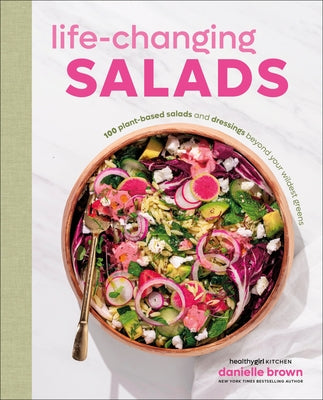
Life-Changing Salads: 100 Plant-Based Salads and Dressings Beyond Your Wildest Greens (Healthygirl Kitchen)Say goodbye to boring salads with 100 unbelievably delicious plant-based recipes from Danielle Brown, the bestselling author of HealthyGirl Kitchen. Life-Changing Salads is more than just a cookbook--it's your ultimate guide to creating satisfying, plant-based salads that you'll crave. From crunchy chopped salads to...
- $50.00 USD
$87.99 USD- $50.00 USD
- Unit price
- per
-
Linger: Salads, Sweets and Stories to Savor: A Cookbook"My culinary life began with salad. A charred broccoli salad, to be specific. Crispy florets tossed with chickpeas and cooling mint, flecked with red chilli pepper and zested lemon peel, bathed in a garlicky caper oil. That salad inspired me to consider possibilities. It...
- $60.00 USD
$107.99 USD- $60.00 USD
- Unit price
- per
-
Mandy's Gourmet Salads: Recipes for Lettuce and Life#1 BESTSELLING COOKBOOK! An overwhelmingly gorgeous cookbook packed with simple and delicious recipes for salads and more! There's nothing a Mandy's salad can't fix. Want an explosion of color, texture, flavor and fabulousness? Look no further. Inside the pages of this stunning cookbook (and...
- $47.37 USD
$89.99 USD- $47.37 USD
- Unit price
- per
-
Oh She Glows Salads: Get Glowing: Protein-Packed, Plant-Based Salads for Every SeasonOh She Glows returns with a new vibrant collection of 110 irresistible plant-based recipes that will transform the way you think about salads--no more boring bowls, only bold, nourishing creations that make you feel as good as they taste. Designed to keep you glowing...
- $53.68 USD
$101.99 USD- $53.68 USD
- Unit price
- per
-
Pizza Camp: Recipes from Pizzeria BeddiaPizza Camp is the ultimate guide to achieving pizza nirvana at home, from the chef who is making what Bon Appetit magazine calls "the best pizza in America." Joe Beddia's pizza is old school--it's all about the dough, the sauce, and the cheese. And...
- $50.00 USD
$87.99 USD- $50.00 USD
- Unit price
- per
-
Pizza from the Heart: 100 Recipes for Pies, Pasta, Salads, and MoreAn essential pizza book from Brooklyn's beloved Paulie Gee's pizzeria that reveals the secrets behind their most celebrated pies, alongside heartwarming stories from their decades-long culinary adventure. This cookbook is a love story between Paulie, Mary Ann, and pizza. In 2010, at the age...
- $50.00 USD
$87.99 USD- $50.00 USD
- Unit price
- per
-
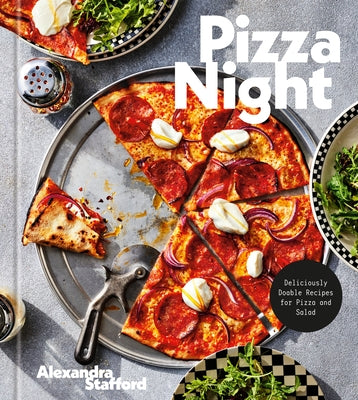
Pizza Night: Deliciously Doable Recipes for Pizza and SaladNEW YORK TIMES BESTSELLER - Make pizza night a weekly tradition with these 52 seasonal pizzas paired with salads for a complete meal--from the award-winning author of Bread Toast Crumbs and creator of the popular blog Alexandra's Kitchen. "I dare you to flip through...
- $40.00 USD
$73.99 USD- $40.00 USD
- Unit price
- per
-
Risotto: More Than 100 Recipes for the Classic Rice Disk of Northern Italy"Judith Barrett and Norma Wasserman have written a beautiful book on risotto. [It] . . . is not just a recipe book but a piece of man's history."--Arrigo Cipriani "Delectable."--Booklist "For the rice lover . . . this well-crafted book is a unique source."--Chicago...
- $47.13 USD
$89.99 USD- $47.13 USD
- Unit price
- per
-
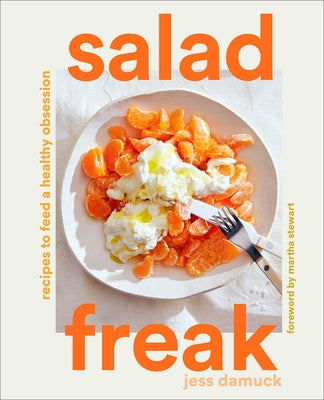
Salad Freak: Recipes to Feed a Healthy ObsessionA USA Today and Publishers Weekly bestseller, Salad Freak features delicious and beautiful recipes from Martha Stewart's personal salad chef and the self-proclaimed "Bob Ross of salads." Foreword by Martha Stewart Offering more than 100 inspired recipes, recipe developer and food stylist Jess Damuck...
- $50.00 USD
$87.99 USD- $50.00 USD
- Unit price
- per
-
Salad Meals: Salads to Feed Body, Soul & FriendsSalads are more than just leaves. Take the best of seasonal produce and make bowls, boards, and jars of salad to enjoy throughout the year. Salad Meals shows you how to eat the rainbow of fruit and vegetables all year long with delicious and...
- $47.34 USD
$89.99 USD- $47.34 USD
- Unit price
- per
-
Salad Whisperer: Veggie-Forward Recipes for Mouthwatering MealsNo Longer Just a Side Dish Salads don't have to be boring lettuce bowls with bottled dressings-- they should be bold, balanced and bursting with flavor and satisfying texture. Bona fide Salad Whisperer Sarah Faris shows you how to master the salad, no matter...
- $39.40 USD
$75.99 USD- $39.40 USD
- Unit price
- per
-
Salads for All Seasons: French-Inspired Recipes to Enjoy"Alex makes salads to REALLY get excited about! Cozy, comforting, and always seasonal, this book is a game changer!" - Amy Sheppard, author of Easy 10 Celebrate the seasons with flavorful, nourishing, French-inspired salads At a time when we all know we need to...
- $32.40 USD
- $32.40 USD
- Unit price
- per