Business & Economics - Mentoring & Coaching
Explore our collection of business coaching and mentoring books, including insightful reads on mentoring vs coaching. Find top economics, business, and bookkeeping books at our online bookstore!
-
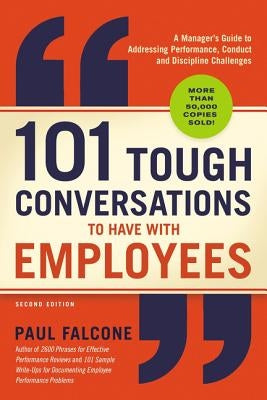
101 Tough Conversations to Have with Employees: A Manager's Guide to Addressing Performance, Conduct, and Discipline Challenges101 Tough Conversations to Have with Employees provides guidance for managers on how to broach uncomfortable conversations across a wide range of issues.Inappropriate workplace conduct, lateness, sexually offensive behavior, productivity and communication issues . . . these are just a few of the uncomfortable...
- $42.83 USD
$81.99 USD- $42.83 USD
- Unit price
- per
-
Authentic Influencer: The Barnabas Way of Shaping Lives for JesusYou may feel like an ordinary believer, but God has a knack of using ordinary people to accomplish His extraordinary purposes. Authentic Influencer encourages you to walk with Barnabas, learn from God, and shape the world for Jesus Christ-- one life at a time.God's...
- $34.71 USD
$66.99 USD- $34.71 USD
- Unit price
- per
-
Becoming a Coaching Supervisor and Coach Mentor: A Guide to the ICF Supervision and Mentor Coach Competencies and Best PracticeAs coaching continues to grow in popularity, supervision and mentor coaching have become the disciplines that protect quality, deepen mastery and sustain coaches. Becoming a Coaching Supervisor and Coach Mentor is a practical, evidence-informed guide to the ICF Supervision and Mentor Coach Competencies, translating...
- $35.84 USD
- $35.84 USD
- Unit price
- per
-
Before it BreaksTrust is not a soft skill. It is leadership infrastructure.When it holds, execution moves, information flows, and your best people stay. When it breaks, everything built on top of it breaks with it.Most leaders are told to "build trust" the way they're told to...
- $29.98 USD
- $29.98 USD
- Unit price
- per
-
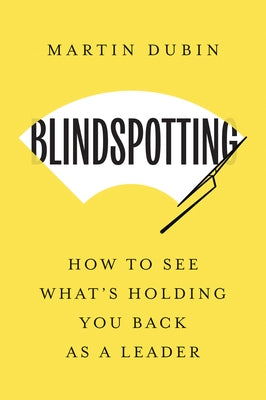
Blindspotting: How to See What's Holding You Back as a LeaderWhat you don't see about yourself can hold you back as a leader.As leaders, we all hit a point when things stop going well. A problem emerges that we think we can handle but discover we can't. The tools that got us this far...
- $40.00 USD
$74.99 USD- $40.00 USD
- Unit price
- per
-
Brand New World: Define the Role of Your Brand to Create a Bold FutureBrand New World equips next-generation CEOs and CMOs to embrace creative thinking, feel confident in making impactful billion-dollar choices, and harness the power of their brand and leadership teams to create a bold future.Humanity faces complex global challenges. People around the world want to...
- $25.97 USD
$46.99 USD- $25.97 USD
- Unit price
- per
-
Building a Coaching Culture: The Ripple Effect Raising Performance and GrowthIn a world defined by burnout, quiet quitting, and relentless change, traditional management is failing. But there is a better way.Building a Coaching Culture: The Ripple Effect Raising Performance and Growth offers a human-centered alternative to leadership that not only boosts productivity but also...
- $38.38 USD
- $38.38 USD
- Unit price
- per
-
Building Men: Character Lessons from InfluencersBuilding Men is a collection of life lessons offering clear, practical insights into shaping strong, principled young men for the next generation.What defines the making of a man?Jim Tracy didn't just establish multi-million-dollar family-owned businesses from his humble garage; he, alongside his family, embodied...
- $31.90 USD
$56.99 USD- $31.90 USD
- Unit price
- per
-
Care, Dare, Share: The Secure Base CoachIn today's fast-paced and often challenging environments, Care, Dare, Share: The Secure Base Coach was developed to help individuals, teams, and organizations not just survive but thrive. It offers a practical and transformative approach to coaching leaders, centred on unleashing potential in individuals, teams...
- $80.00 USD
$143.99 USD- $80.00 USD
- Unit price
- per
-
CEO Ready: What You Need to Know to Earn the Job--And Keep the JobYour track record of success isn't enough. Here's what it really takes to be CEO Ready.You're on the short list for the CEO job, and you have a record of delivering amazing results. You've been told you have the inside track. You're the leader...
- $50.00 USD
$87.99 USD- $50.00 USD
- Unit price
- per
-
Co-Active Coaching: The Proven Framework for Transformative Conversations at Work and in LifeThe book that changed the field of professional coaching forever. The wait is over! This is the new 4th edition of the cultural and business phenomenon that helped launch the professional practice of coaching! "The bible of coaching guides ... No other book gives...
- $64.43 USD
$115.99 USD- $64.43 USD
- Unit price
- per
-
Coach the Person, Not the Problem, Second Edition: A Guide to Using Reflective InquiryFor coaches who want to transform lives, this updated bestselling guide reveals how reflective inquiry, paired with the coach's emotional and mental state, creates breakthrough moments that AI cannot replicate. Masterful coaching is simpler than you think. When you apply the five essential practices...
- $47.29 USD
$89.99 USD- $47.29 USD
- Unit price
- per
-
Coaching for Performance, 6th Edition: The Principles and Practice of Coaching and Leadership: Fully Revised EditionThe #1 book for coaches, leaders, talent managers and professionals around the world. This is the definitive and fully updated new edition. 'Coaching for Performance provides a foundation for those who want to understand the potential and power of coaching. The Sixth Edition is...
- $35.98 USD
$89.99 USD- $35.98 USD
- Unit price
- per
-
Connection Culture, 2nd Edition: The Competitive Advantage of Shared Identity, Empathy, and Understanding at WorkTap Into the Power of Human Connection Creating a thriving organization where employees feel valued, the environment is energized, and high productivity and innovation are the norm requires a new kind of leader who fosters a culture of connection within the organization. Connection Culture,...
- $22.78 USD
- $22.78 USD
- Unit price
- per
-
CORE Leadership: A Four-Step Framework to Lead Yourself, Grow Your Influence, and Amplify Your ImpactYou're smart, driven, and ready to grow-but something's missing.What's holding you back?You've worked hard to get where you are, and it's paid off. But you're constantly juggling priorities, navigating change, and striving to be a better leader, partner, parent, or teammate. What if the...
- $47.97 USD
$91.99 USD- $47.97 USD
- Unit price
- per
-
Deliberately Different: Fifty Years. Two Generations. Leading in a Changing World.This is not your typical leadership book. It's the story of two very different women, Judith M. "Judee" von Seldeneck and Aileen K. Alexander, who built their careers in two very different eras. Each started out in public service--Judee on Capitol Hill in the...
- $48.00 USD
$91.99 USD- $48.00 USD
- Unit price
- per
-
Effective Succession Planning: Ensuring Leadership Continuity and Building Talent from WithinOrganizations that don't take steps to address future talent needs at all levels will face some major obstacles when undervalued key employees get burned out and leave you to fend for yourself.Nobody likes to lose good employees. But sometimes the loss of a key...
- $86.93 USD
$151.99 USD- $86.93 USD
- Unit price
- per
-
El Mentor 101 = Mentoring 101En Mentor 101, John Maxwell nos ayuda a crear un legado que durará aún después de haber terminado el trabajo de Mentor. El autor nos hace cuestionar qué sucedería si pasaramos toda la vida teniendo éxito en algo, pero nunca compartiremos nuestro sabio conocimiento...
- $15.34 USD
- $15.34 USD
- Unit price
- per
-
Ethical Copywriting: A practical guide for coaches, healers, and service-based entrepreneurs to sell without the sleazeSalesy, manipulative marketing that requires you to compromise your values?We don't do that here.In a marketing landscape saturated with manipulative tactics, Ethical Copywriting offers a refreshing alternative. This guide walks you through articulating who you are, what you do, and how you are different,...
- $57.90 USD
$103.99 USD- $57.90 USD
- Unit price
- per
-
Exit Without Selling: Build A Dream Team, Keep Your Business, and Get Your Life BackThe business you started for freedom now owns you. After years of building, you're ready to step back and travel with family, take care of your health, and enjoy life. But you're trapped. You depend on the business for income, and the business depends...
- $22.48 USD
- $22.48 USD
- Unit price
- per